This post was originally published on this site.
When an airline passenger attempted to bring a literal cannonball onto a flight, the Transportation Security Administration obviously stepped in — which is to be expected. But what might not be traditional is how the agency handled it on social media.
For months now, TSA has been showing a little bit of personality online, especially on its Threads account, which is titled “Travel Tips & Dad Joke Hits” (with an aside that reads, “Yep it’s the official TSA account”). They’re sharing, as one would expect from the account name, dad jokes, GIFs and other quirky commentary on what could be a rather government-y account.
And get this, they’re not the only ones.
A loose cannon at the airport
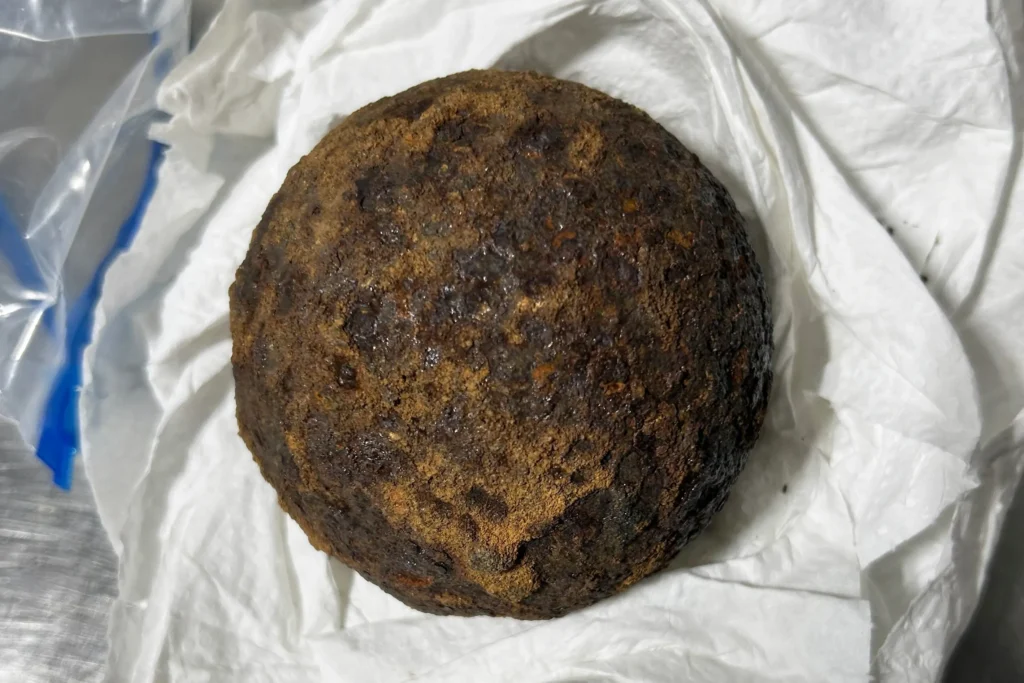
On July 18, at Gulf Shores International Airport in Alabama, a TSA agent stopped a woman who had what appeared to be a large, opaque item. When the agent opened the suitcase, he found quite the surprise.
“I had never seen anything quite this unique,” TSA Officer Justin Dupree said in a statement. “I’ve seen inert grenades and training munitions but never an Indiana Jones-esque stolen artifact-type situation.”
That’s right, the passenger was carrying five stolen Civil War-era cannonballs. As it turns out, her grandson stole them from nearby Fort Morgan and stowed them in his grandmother’s bag for traveling.
The grandmother said she had no idea they were stolen.
Luckily, the cannonballs were inert and didn’t contain any explosive material or active components. But still, they can’t go on an airplane.
It was obviously a unique experience, for more reasons than one, and TSA made it even more unique with how they tackled it online.
TSA’s quirky social media presence
The same day it shared its news release on the incident, TSA took to Threads, Meta’s version of X, and posted, “idk which loose cannon needs to hear this but definitely don’t bring 5 cannonballs to the airport.”
TSA made a similar post on X, writing, “You might be considered a loose cannon if you pack 5 relic cannonballs in your suitcase.”
It followed the post up with a reply containing a link to its formal news release.
The incident was just one occasion when TSA used its social media accounts for some light-hearted fun.
On Thursday, the TSA Threads account posted, “Just because we allow air mattresses doesn’t mean you can just set it up anywhere Richard. They are literally trying to board Gate C7…” It was a fun way to say yes, you can bring an air mattress, but hey, let’s be considerate of other passengers.
Another post earlier this month warns passengers of a specific item they’re not allowed to bring on a plane.
“‘it’s not on your website’ oh ok apologies we didn’t realize you were going to bring part of a FIRE HYDRANT to the airport,” TSA wrote on July 8.
Oh, and check out this one.
“medical device reps pls try not to forget your demo prosthetics at the checkpoint ok finding a leg is very alarming.”
These are all examples of the agency taking rules and regulations, which many often don’t read before going to the airport, and informing the public of them in a fun way.
Other government accounts look different too
TSA isn’t the only agency or department that has taken a turn with their social media accounts.
However, it hasn’t all been positive.
Defense Secretary Pete Hegseth and the White House have repeatedly shared AI-generated memes, videos and other content on their pages. Those posts, while received positively by some, have faced backlash.
In December, Hegseth shared a depiction of Franklin the Turtle, from the popular children’s book series, in U.S. military gear, shooting at boats from a helicopter with the title “Franklin Targets Narco Terrorists.”
The post, which Hegseth captioned, “For your Christmas wish list,” came at a time when the U.S. was targeting vessels near Venezuela that the administration says were smuggling drugs.
But for the publisher of the “Franklin the Turtle” books, it was a “denigrating,” “violent” and “unauthorized” use of a beloved character.
Other incidents have also occurred of the White House sharing videos using popular music, much to the dismay of the artist.
Earlier this week, Noah Kahan responded after one of his songs was used in a White House video featuring President Donald Trump. In an Instagram comment, Kahan wrote, “Would never approve of my music being used in support of you or this administration.”
Round out your reading
- What does low water at the Hoover Dam mean for power in the American West?
- Could GLP-1 drugs become the first longevity medications? Scientists think it’s possible.
- ChatGPT told him he wouldn’t face charges. Then came the arrest warrant.
- How one small city built a second act as a bio hub inside empty cigarette factories.
- If permanent Daylight Saving Time is so popular, why is it dead in the Senate?