This post was originally published on this site.
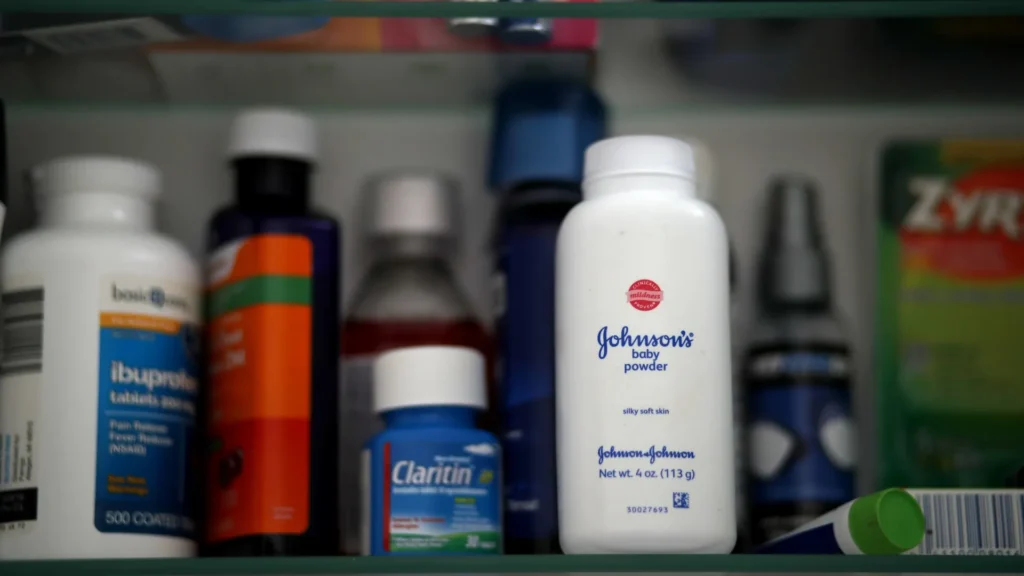
After 15 years of what Johnson & Johnson called “meritless” litigation, the publicly traded company committed to a $5.5 billion settlement on Monday with plaintiffs who alleged talc-based products, including the company’s popular baby powder, caused ovarian cancer.
If finalized, the landmark settlement would resolve tens of thousands of remaining cases against the pharmaceutical giant.
Would settle US claims, not UK
The plaintiffs’ law firms confirmed the deal on Monday, saying it was a fair resolution to close over a decade’s worth of legal battles. It would settle about 76,000 claims in the United States in both federal and state courts. To be accepted, 95% of the law firms representing the plaintiffs must approve of the deal.
The proposed settlement does not apply to the 7,000 potential claimants in the United Kingdom, where talc-related lawsuits against Johnson & Johnson continue. The lawsuits against Johnson & Johnson are considered one of the largest product liability cases in U.K. history.
Failed bankruptcy attempts
Johnson & Johnson made multiple attempts to end the litigation by declaring bankruptcy, a controversial legal strategy dubbed the Texas Two-Step. The strategy allows companies to pause lawsuits by creating another company to take on legal liabilities. Courts ultimately rejected the bankruptcy efforts.
“Claimants argued that Johnson & Johnson was not in genuine financial distress and that the ‘Texas Two-Step’ bankruptcy filing was intended to delay or deny justice for plaintiffs,” wrote attorney Trent Miracle for Flint Cooper.
The Third Circuit Court of Appeals ruled against Johnson & Johnson in 2023. It said bankruptcy did not serve a legitimate purpose.
“This decision underscored the challenges companies may face when attempting to use the ‘Texas Two-Step’ strategy in court, particularly when plaintiffs challenge the legitimacy of the bankruptcy,” Miracle wrote.
This agreement would only cover existing claims, not future lawsuits. The settlement would resolve at least 95% of current claims in the United States against Johnson & Johnson.
Johnson & Johnson denies cancer claims
The pharmaceutical company maintains that there is no scientific evidence for its talc powder causing cancer in people who used its product.
Johnson & Johnson discontinued the talc-based JOHNSON’S Baby Powder globally in 2023.
“After decades of litigation and full vetting of the science in an extensive hearing, plaintiffs effectively conceded their inability to prove specific causation by withdrawing their experts on the topic in two bellwether cases,” Erik Haas, Worldwide Vice President of Litigation at Johnson & Johnson, said in a statement on Monday. “[T]hese claims lack scientific merit and were sustained only by unreliable expert opinions that could not survive rigorous judicial review.”
The company maintains that “studies show talc is safe, does not contain asbestos and does not cause cancer.”
In 2024, the World Health Organization declared talc as potentially causing cancer.
“The World Health Organization’s International Agency for Research on Cancer finds talc probably causes cancer,” Travis Rodgers wrote for Asbestos.com. “The key reason for the finding is because the mineral used in products such as cosmetics, talcum powders, children’s toys and even food can be contaminated with asbestos.”
Round out your reading
- What does low water at the Hoover Dam mean for power in the American West?
- Could GLP-1 drugs become the first longevity medications? Scientists think it’s possible.
- ChatGPT told him he wouldn’t face charges. Then came the arrest warrant.
- How one small city built a second act as a bio hub inside empty cigarette factories.
- If permanent Daylight Saving Time is so popular, why is it dead in the Senate?