
This post was originally published on this site.
Welcome back to Health(y) Discourse.
I’m Jess Craig, Straight Arrow’s health reporter.
Last week, we looked at whether coffee really helps you live longer, what the evidence says about lifestyle coaching to reduce dementia risk and the early return of West Nile virus.
This week, we’re digging into the surge in measles cases, the growing concern over e-bike injuries and what new research is revealing about the surprising connection between oral health and the rest of the body.
Other stories that caught my eye this week:
- Geroscientists are exploring whether GLP-1 medications like Ozempic and Wegovy are also “anti-aging” drugs.
- The Office of National Drug Control Policy reported on the largest wastewater drug-monitoring effort ever conducted in the U.S.
- Meanwhile, the U.S. Department of Agriculture announced it would again import cattle from Mexico, the epicenter of a New World screwworm outbreak.
If you haven’t already, be sure to check out Straight Arrow’s ongoing autism series, where we’re taking a deeper look at the latest research, emerging treatments and some of the biggest questions — and misconceptions — surrounding autism spectrum disorder.
Peer Review
Rehashing the week’s health headlines
 Under the Microscope
Did scientists really “reverse” autism?
Researchers at UCLA reported last week that a single dose of the drug rapamycin temporarily improved autism-like behaviors in adult mice.
As expected, the headlines that followed were overblown.
Neuroscientist Neil Harris, one of the study’s senior authors, said the real breakthrough wasn’t the drug itself, but what it revealed about the brain. For decades, scientists thought brain circuits disrupted early in development become largely fixed and untreatable by adulthood. But the new evidence suggests that may not always be the case, opening the door to future therapies — such as magnetic stimulation or focused ultrasound — that target these brain circuits safely and precisely.
Bottom line: It’s exciting science, but this study won’t change anyone’s medical care today. Instead, it could reshape how scientists think about treating autism in the future.
 Reality Check
Are e-bikes becoming too dangerous for kids?
Pediatric surgeon Todd Lawrence and researcher Madison Kesler argued in an opinion piece for STAT that e-bikes and e-scooters have become a “burgeoning pediatric public health emergency.”
They’re not alone.
Doctors across the country have reported a growing number of children and teens arriving in the ER after crashes involving these electric rides.
Between January 2023 and May 2026, health data company Truveta identified more than 12,000 ER visits related to e-bikes and e-scooters; the rate of visits among children younger than 18 increased 671% during that period. Late last year, a national study found that children injured on e-bikes were more likely than those injured on traditional bicycles to suffer head, neck, facial and internal organ injuries and to require hospitalization. Researchers said the higher speeds — many e-bikes can travel more than 20 mph — likely contribute to the greater severity of these crashes.
Bottom line: E-bikes aren’t just bicycles with a battery. If your child rides one, doctors recommend treating it more like a motorized vehicle. Make sure kids wear a helmet every ride, understand how fast the bike can go and have the experience to handle it safely.
 Public Health Watch
Measles is surging. Should you be worried?
The U.S. has now recorded 2,318 measles cases this year, officially surpassing last year’s total of 2,289 cases, which was the highest annual count since 1991.
Cases have been reported in more than 40 states, with the largest outbreaks occurring in Utah (more than 500 cases), followed by Texas (188 cases), Pennsylvania (139 cases), Virginia (177 cases) and Arizona (119 cases).
Nearly 70% of cases have occurred in children and teens, and 93% of patients were either unvaccinated or had an unknown vaccination status. The CDC has not recorded any measles-related deaths, but 151 people have been hospitalized.
Health officials warn the U.S. could lose its measles elimination status later this year if sustained transmission continues.
Bottom line: If your family is up to date on the MMR vaccine, your risk remains low. Two doses are 97% effective at preventing measles. If you’re unsure of your vaccination status — or have young children who haven’t completed their vaccine series — public health experts recommend discussing vaccine options with your healthcare provider.
 Worth Watching
Could healthier gums protect more than your smile?
The Wall Street Journal reported earlier this week that “Your Mouth Could Hold the Secrets to a Longer and Healthier Life,” highlighting growing evidence that bacteria and inflammation from gum disease may contribute to conditions including heart disease, diabetes and even cognitive decline.
Researchers have documented these associations for decades. But here’s the reality check: Scientists have not shown that brushing, flossing or treating gum disease prevents heart attacks or dementia or helps you live longer, despite some headlines and wellness claims suggesting otherwise. Most of the evidence linking oral health to longevity comes from observational studies, which can’t prove cause and effect.
Bottom line: Taking care of your gums absolutely protects your oral health and may benefit your overall health, but it hasn’t (yet) been proven to add years to your life.
Have your say
Last week, I asked if you’d take a blood test that could estimate your risk of developing Alzheimer’s disease 10 to 20 years before symptoms appeared. All of you said you likely would, but about 40% said you’d only take it if there were effective ways to reduce your risk.
What else I’m Covering
-
For decades, the definition of autism expanded. Is it now too broad?
-
Peter Dazeley/Getty Images
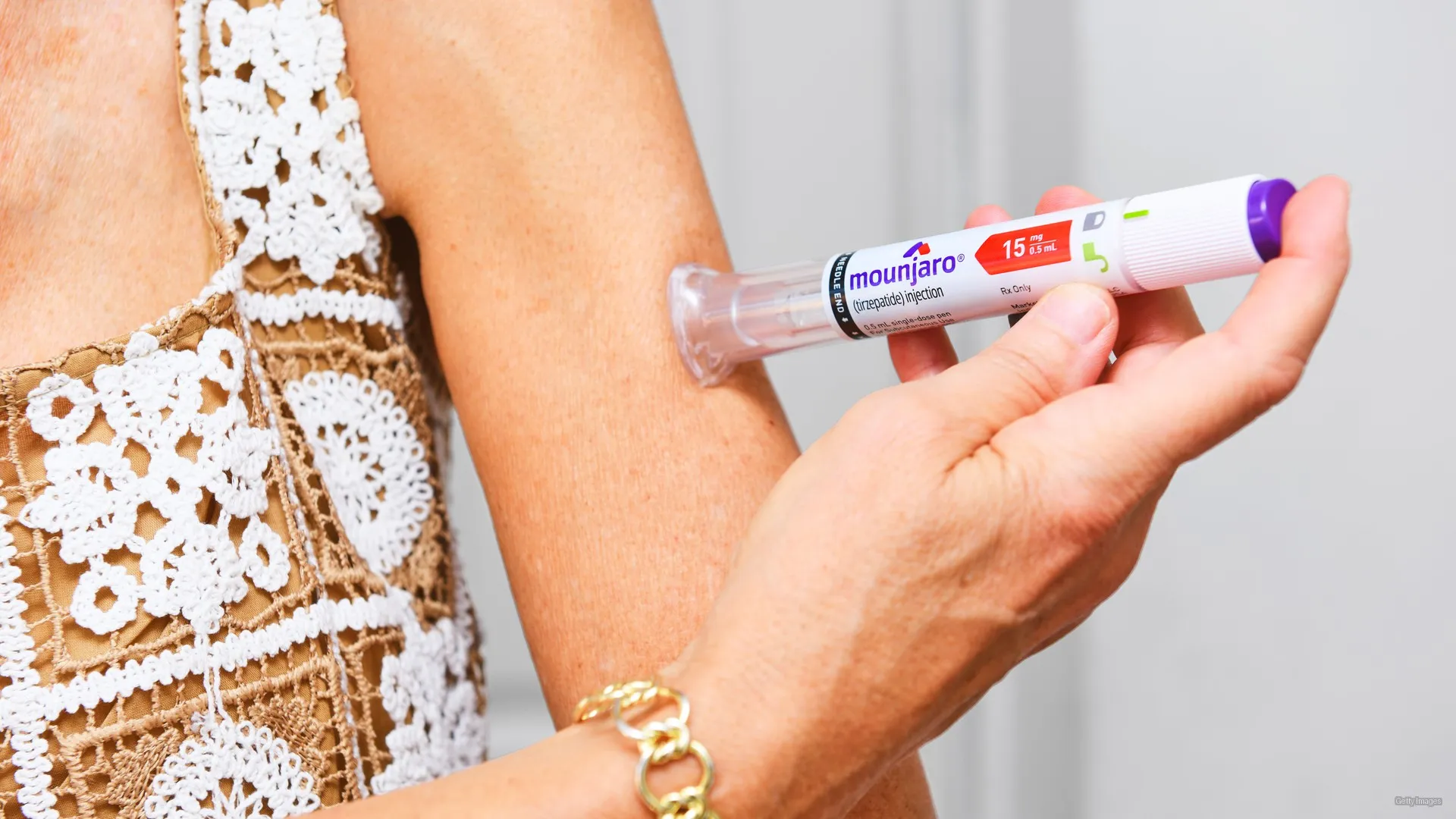
Could GLP-1 drugs become the first longevity medications? Scientists think it’s possible
-
John Moore/Getty Images
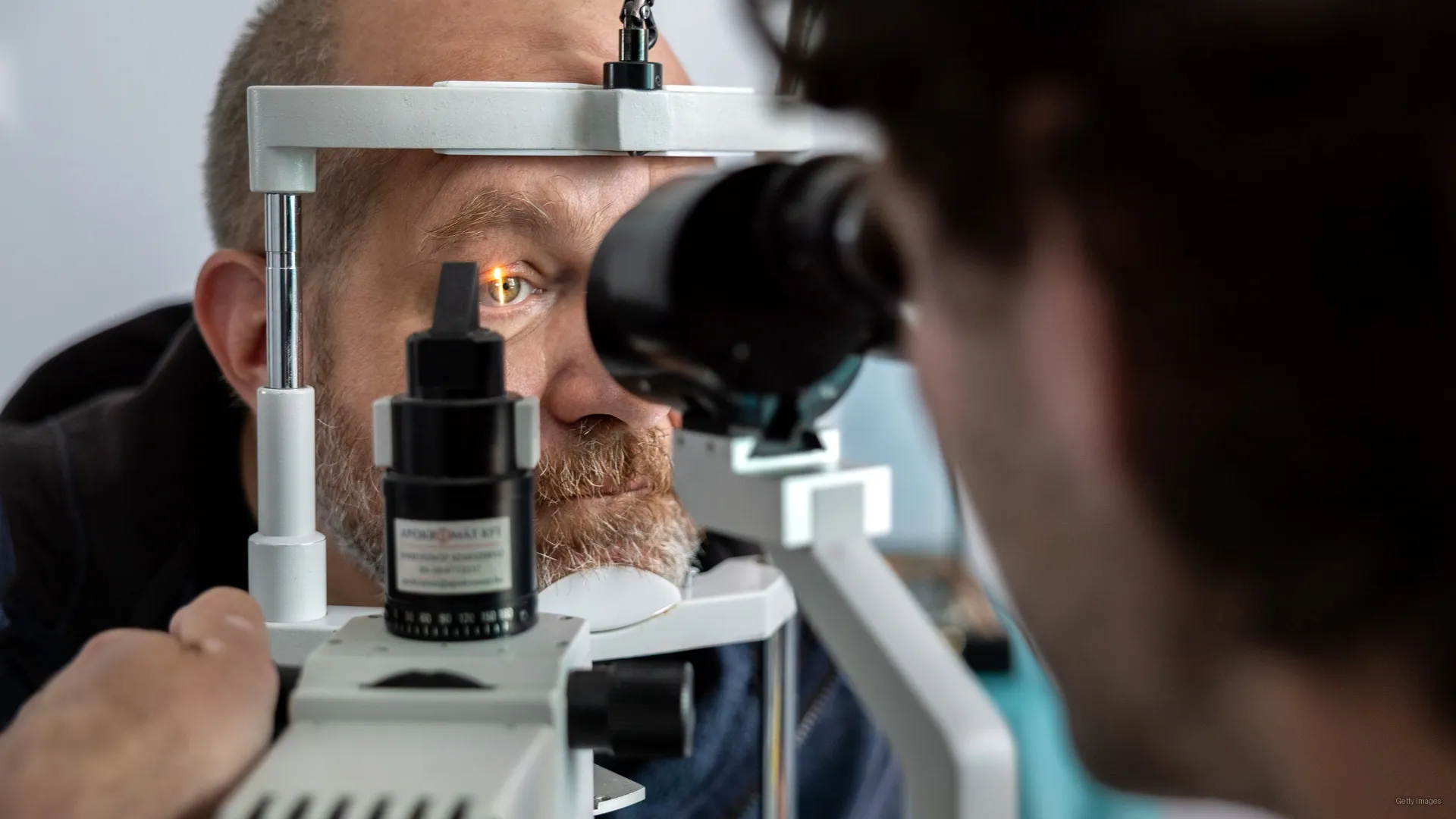
Why do some people have vision problems years after COVID?
-

LOIC VENANCE/AFP via Getty Images
Common products expose pregnant women to dozens of chemicals. Some are linked with birth risks
Get in Touch
That’s all for this week. If you have questions about a health-related story or study you saw in the wild, send me an email at jcraig@san.com or share them below.
— Jess