This post was originally published on this site.
Not long ago, many physicians believed autism wasn’t caused by biology at all.
Until the 1960s, a dominant theory held that autism resulted from emotionally distant parents.
“The idea that mothers caused their child’s autism because they were cold and withdrawn and they were not giving to their children was a prevailing view,” said Helen Tager-Flusberg, the former director of Boston University’s Center for Autism Research Excellence. She remembers those early days of research at the dawn of her career.
By the 1980s, physicians increasingly abandoned the “refrigerator mother” hypothesis, instead applying modern scientific tools to study autism’s biological underpinnings. Advances in genetics, neuroscience and developmental biology reframed autism as a neurodevelopmental disorder.
Over the following decades, landmark studies revealed that autism was far more common among closely related family members than among unrelated people, suggesting genetics played a central role. Researchers also identified hundreds of genes associated with autism.
“There is no question it’s largely genetic,” said Joseph Buxbaum, director of Mount Sinai’s Seaver Autism Center for Research and Treatment in New York City.
Not everyone finds that explanation satisfying.
Critics argue that genetic conditions do not increase as rapidly as autism diagnoses have in recent decades. The Centers for Disease Control and Prevention estimates that the prevalence of autism among U.S. children has risen from about 1 in 150 in the year 2000 to 1 in 31 today. However, researchers caution that much of that increase appears to reflect broader diagnostic criteria and greater awareness rather than a true rise in the number of children developing autism.
“I don’t believe that there really are more autistic people these days,” said Catherine Lord, a professor of psychiatry and education at the University of California Los Angeles who has studied autism for 50 years.
“I think we’re better at finding them and I think that we have a broader diagnosis,” she said. “We have more awareness of what we can do about it. All those things have come together to result in increasing numbers.”
While decades of research strongly suggest genetics plays a central role in autism, genes alone do not tell the whole story.
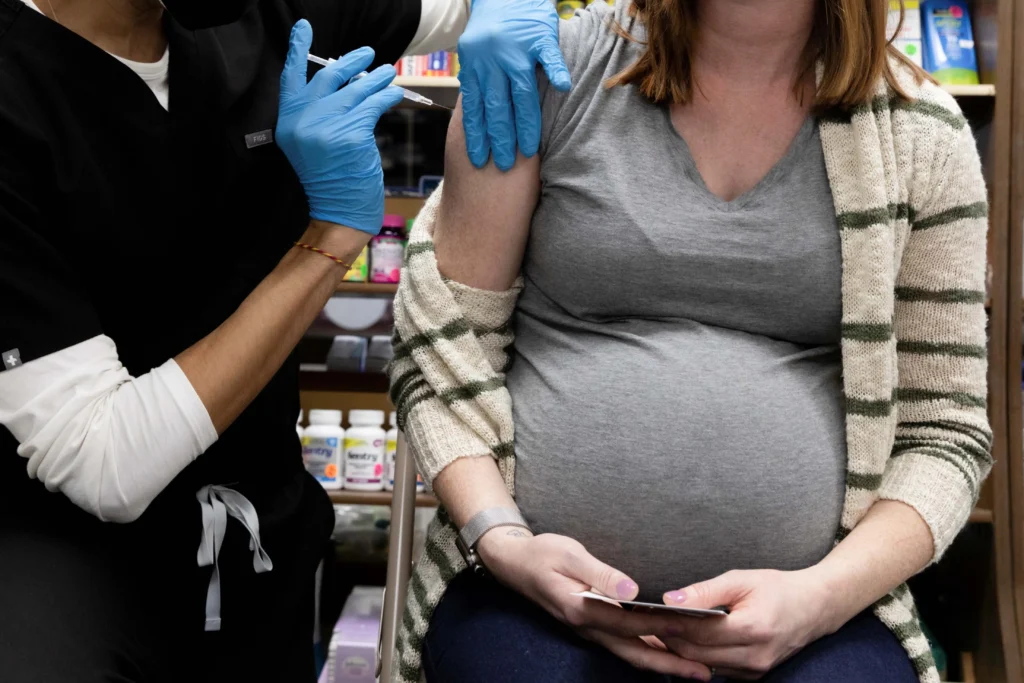
Researchers have found evidence that certain factors during pregnancy — such as maternal infections and some medications — may also influence a child’s risk of developing autism. But because a baby’s development is shaped by many different factors that are difficult to disentangle, pinpointing which environmental exposures might play a role is much more challenging.
Today, researchers increasingly believe autism arises through many pathways that converge during early brain development. The uncertainty and complexity has left families searching for answers, as politicians and public figures advance simple explanations that extend well beyond what the evidence currently supports.
Despite the unanswered questions and an increasingly polarized public debate over autism’s causes, treatments and even how the condition should be understood, leading experts who have spent decades studying autism say the field has never been more promising.
“There couldn’t be a better time for autism research,” Buxbaum said.
Scientists are translating decades of genetic discoveries into targeted treatments for some of the most severe forms of the condition. Buxbaum believes those advances could produce major breakthroughs over the next five to 10 years, fundamentally changing how autism is treated and perhaps how the public understands it.
“The world’s going to change once we start having effective treatments for profound autism,” he said.
A heritable condition
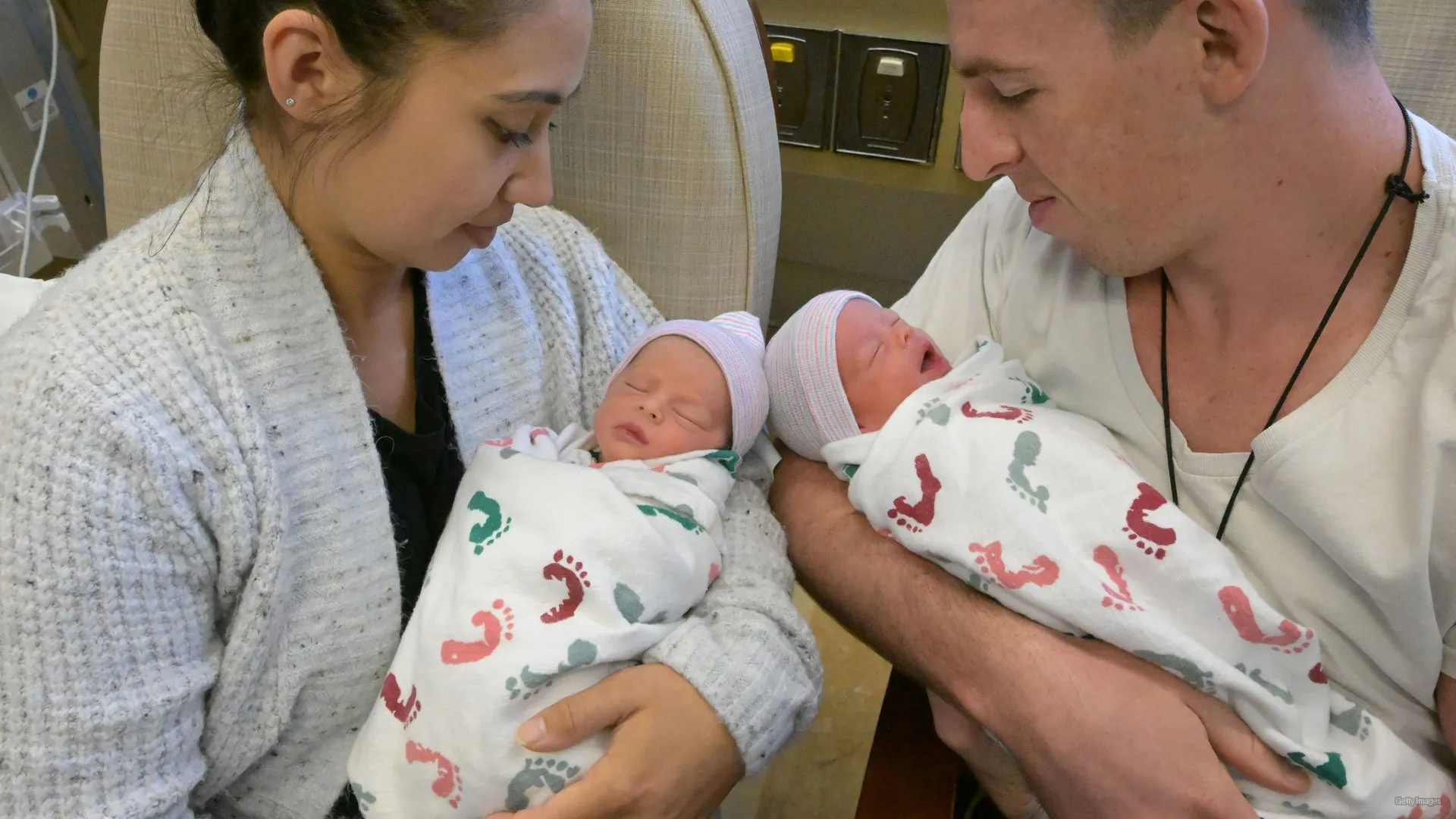
In 1977, British researchers Susan Folstein and Michael Rutter studied 21 pairs of twins in which at least one child had autism. In four of the 11 sets of identical twins — who share virtually all of their DNA — both siblings had autism. None of the 10 pairs of fraternal twins — who share about half of their DNA, much like any other siblings — had two siblings with autism.
Among the twin sets in which only one sibling had autism, many of the autistic children had experienced medical complications either in-utero, at birth or early in life, Folstein and Rutter wrote at the time. They hypothesized that autism could result from brain injury alone or in combination with existing genetic risk.
Nearly two decades later, British researcher Anthony Bailey and colleagues, including Rutter, studied a second group of twins and confirmed that identical twins were more likely than fraternal to share an autism diagnosis. They found that among twin pairs in which one twin had autism, 92% of identical twin pairs both had autism or had similar autism-spectrum characteristics, compared with just 10% of fraternal twin pairs. In a 1995 paper, the scientists wrote that “obstetric hazards usually appear to be consequences of genetically influenced abnormal development” rather than independent risk factors for autism.
The evidence continued to build.
In 2014, Swedish psychiatrists and epidemiologists analyzed health records from more than 2 million children, comparing autism rates among identical twins, fraternal twins, siblings, half-siblings and cousins. They found the same pattern: The more DNA two people shared, the more likely they were to share their autism diagnoses. Together, the growing body of evidence pointed to one conclusion: “The sharing of the trait of autism is directly related to genetic distance in the family,” Buxbaum said. “The twin studies showed exactly the same thing.”
According to their calculations, someone with an identical twin who had autism was 153 times more likely to also have autism than someone without an autistic identical twin. The risk dropped to about 10 times for full siblings, triple for half-siblings and twice as high for cousins.
Based on their findings, the researchers estimated that inherited genes explained about 50% of a person’s likelihood of developing autism. Three years later, the same research team reanalyzed the same dataset using different statistical methods and revised that estimate to 83%.
The myth of the single gene
As epidemiologists and behavioral geneticists studied families and twins, advances in DNA sequencing opened an entirely new window into autism. The completion of the Human Genome Project and rapid improvements in genetic technology allowed researchers to search the genome for the genetic changes that increased risk.
Tager-Flusberg remembered thinking in the late 1990s that investigations into the genome would turn up maybe 10 genes. Over the next three decades, geneticists identified hundreds.
In one of the largest genetic studies ever conducted, a team of scientists led by Buxbaum analyzed the DNA of more than 35,000 people, including nearly 12,000 individuals with autism. The researchers looked across the entire genome for mutations that repeatedly appeared in autistic people but were rare among those without autism.
In all, they identified 102 genes strongly associated with autism. Other research groups found hundreds more; today there are over 800 genes thought to be associated with the disorder.
The researchers did not prove those genes inevitably caused autism or that everyone with a mutation in one of those genes would develop the condition. Instead, they found people carrying damaging mutations in those genes were significantly more likely to have autism than people who did not carry them.
Perhaps more important than the sheer number of genes the researchers found was what those genes had in common. Many were involved in the same biological processes, including early brain development, regulating when other genes are switched on and off and helping brain cells communicate with one another.
Rather than pointing to hundreds of unrelated causes, the findings suggested that many different genetic changes can disrupt the same developmental pathways, ultimately leading to autism.
Autism, Buxbaum said, turned out to be a lot like height.
Most people do not inherit a single “tall gene” or “short gene,” Buxbaum said. Instead, “hundreds of small changes throughout the genome” each nudge a person’s height up or down by a tiny amount, he said.
Collectively, those small changes can have a substantial effect. Scientists call this polygenic risk.
But there are exceptions.
In rare cases, a mutation in a single gene can have such a large effect that it becomes the primary driver of a person’s height. That’s what happens in some forms of dwarfism or in Marfan syndrome, a disorder caused by a mutation in the FBN1 gene that causes unusually tall stature.
Buxbaum and other researchers now believe the same principle applies to autism. While most cases appear to result from the combined effects of hundreds of genes, scientists have identified dozens of these high-impact genetic mutations that can have outsized influence on a person’s likelihood of developing the condition.
Some are associated with well-known conditions such as Fragile X syndrome — the most common inherited cause of intellectual disability — Rett syndrome and tuberous sclerosis complex, a condition that can cause benign tumors to grow throughout the body. Children with these disorders are far more likely to develop autism than those in the general population.
“When we find these rare mutations, we’re basically seeing a genetic disorder,” Buxbaum said. “At the same time, there is clearly polygenic risk for autism. We all have some of those variants, because there’s many hundreds of them. Maybe that makes me more likely to be happy sitting in my office and not interacting with people and somebody else much more outgoing.”
De novo
As scientists mapped autism’s genetic architecture, it became clear that genes passed from parent to child could not explain every case. Some children with autism had no apparent family history, prompting researchers to search for another genetic explanation.
In 1978, after receiving his PhD in microbiology, Michael Wigler joined Cold Spring Harbor Laboratory where he led the Mammalian Cell Genetics section. He primarily studied cancer, a disease driven by genetic mutations. Wigler and his colleagues developed new techniques for detecting changes in DNA, and in the 1980s, he began wondering whether those same tools could help him and others study autism. The disorder had long intrigued him; his childhood girlfriend’s brother had profound autism. Wigler’s interest in the condition and his expertise in genetics led him to investigate an emerging idea: that not all genetic mutations linked to autism are inherited from a child’s parents.
Around the same time, researchers studying other neurodevelopmental disorders were making important discoveries. Huda Zoghbi and her colleagues found that about 95% of Rett syndrome cases — a rare disorder that causes profound cognitive and physical impairments — were caused by mutations that arose spontaneously in an egg or sperm or during the earliest stages of embryonic development. Scientists call these de novo — Latin for “from new” — mutations.
These kinds of genetic changes are common; they occur naturally in every generation as DNA is copied and are an important source of human genetic diversity, Wigler explained. In some cases, de novo mutations can disrupt gene functioning and cause disorders. Rett syndrome became one of the first cognitive disorders linked to these spontaneous mutations, Wigler said.
In 2003, French geneticist Thomas Bourgeron showed that de novo mutations in specific genes could cause autism. But researchers still did not know how common these rare mutations were, or whether they truly increased the risk of autism in children who had no family history of the condition.
Four years later, Wigler’s team helped answer that question. In a landmark 2007 “Science” paper, Wigler and his colleagues compared the DNA of children with autism and their parents. They found that children with sporadic autism — those with no family history of the condition — were about 10 times more likely than unaffected children to carry large de novo mutations that had arisen spontaneously rather than being inherited.
In 2012, researchers at the University of Washington sequenced the DNA of families with autism and found that children with autism were significantly more likely than their unaffected siblings to carry damaging de novo mutations. The researchers pointed out at the time that although the children carried different mutations, many affected the same developmental pathways researchers had already identified in inherited forms of autism, including genes involved in early brain development and communication between brain cells.
Although there is no single defining pattern among the genes affected by de novo mutations, most are expressed in the brain, Wigler said. Some help neurons grow and maintain their structure, others regulate gene activity within brain cells; others enable neurons to communicate with one another.
The 2012 study also highlighted how de novo mutations often had a much larger effect than other inherited genetic variants. A single damaging de novo mutation can become the primary genetic driver for that individual — though it still does not guarantee an autism diagnosis.
In 2014, Wigler led another key study showing that de novo mutations account for about 30% of autism cases in families with no previous history of the disorder. Today, he believes spontaneous mutations are involved in roughly 20% to 40% of autism cases. More importantly, he said, inherited and de novo mutations should not be viewed as competing explanations.
“It’s not necessarily one or the other, because you can have combinations,” Wigler explained. “You can have a family that’s on the brink, and then the child gets an extra mutation, and in that child, that mutation tips the child over, whereas that same mutation in another child might not.”
Wigler’s study also found that de novo mutations accounted for a larger share of autism cases in girls than boys, lending support to what researchers call the female protective effect. Boys are diagnosed with autism about three to four times more often than girls. Scientists believe girls generally require a greater overall genetic burden before developing autism, meaning those who do receive a diagnosis are more likely to carry a rare, high-impact mutation than boys with autism.
The discovery that de novo mutations contribute to autism fundamentally changed scientists’ understanding of the disorder, revealing it to be far more genetically complex than they had imagined.
“It was very clear from the studies of de novo mutation that autism was not one disorder, but thousands of disorders,” said Wigler. “There were thousands of defective genes that could cause autism, and so that changed entirely how we looked at it. Autism is now recognized for what it is, which is an amalgam of diverse syndromes or symptoms.”
As researchers gained a clearer understanding of the inherited and de novo mutations that contribute to autism, a new question emerged: What causes those changes in the first place? While many de novo mutations might arise naturally as DNA is copied, scientists have also investigated whether certain environmental exposures can increase the likelihood that these mutations occur.
“Now that we have a whole bunch of bona fide mutations, it becomes easier to say, are there environmental toxins that mimic the effects of those mutations? Or does some environmental exposure reverse the effect of the mutation,” Buxbaum said. “Now we’re able to do that because we can look at genes one-by-one and 50 environmental potential risk factors and see a pairwise comparison, whether there’s some interaction.”
Environment toxins
Environmental research is inherently more difficult than genetics. Scientists can sequence a person’s genome and identify specific mutations. But they cannot reconstruct a lifetime of environmental exposures, many of which overlap, change over time and cannot be tested experimentally during pregnancy.
That hasn’t stopped researchers from trying. Now, some environmental risk factors are beginning to emerge.
“There are certain environmental insults that produce developmental issues that are severe,” Buxbaum said.
His granddaughter, for instance, had a serious infection at birth and was later diagnosed with autism.
“I would call that an environmental cause of autism,” he said.
Large epidemiological studies consistently find that infection during pregnancy, around birth or during early childhood are associated with a modest increase in autism risk.
A Danish study of more than 1.4 million children found that children hospitalized for an infection were 38% more likely to later receive an autism diagnosis. Other studies have reported similar associations with severe early-life infections. But those findings do not establish cause and effect: Serious infections often occur alongside prematurity, birth complications and other conditions that themselves affect brain development.
A 2021 meta-analysis of 36 studies found that mothers who experienced an infection during pregnancy had an 18% higher likelihood of having a child later diagnosed with autism than mothers who did not. The risk was even higher when an infection was severe enough to require hospitalization. Other large studies have estimated the increase at 13% to 19%, though some of those relationships weakened when researchers compared siblings instead of unrelated children, suggesting that shared genetics or other family factors may explain part of the apparent risk.
Researchers have also investigated whether taking certain medications during pregnancy influences autism risk. Valproic acid — a medication for seizures and bipolar disorder — is one of autism’s strongest, most consistently replicated environmental risk factors. Multiple studies have demonstrated that prenatal exposure substantially increases the likelihood of an autism diagnosis.
The evidence for other medications — including acetaminophen, the active ingredient in Tylenol and selective serotonin reuptake inhibitors (SSRIs) — is less clear. Some studies have reported small statistical associations, while others found those relationships weaken or disappear after accounting for genetics, maternal illness and other factors, leaving scientists without a clear consensus.
READ MORE: What we know about Tylenol and autism
In addition to fever and infection, parental age has also been linked to autism.
“Older parents are more likely to have a child with autism,” Tager-Flusberg said. “And we know that more and more families are putting off having children until they’re significantly older. So in and of itself, that would lead to an increase in the actual numbers of autism.”
An analysis of 27 studies involving more than 11 million births found that every 10-year increase in a father’s age was associated with about a 21% increase in autism risk, while every 10-year increase in a mother’s age was associated with an 18% increase.
While researchers don’t yet fully understand that link, Tager-Flusberg said one plausible explanation is that genetic changes accumulate over time in reproductive cells — particularly sperm — increasing the chance of mutations in a developing embryo.
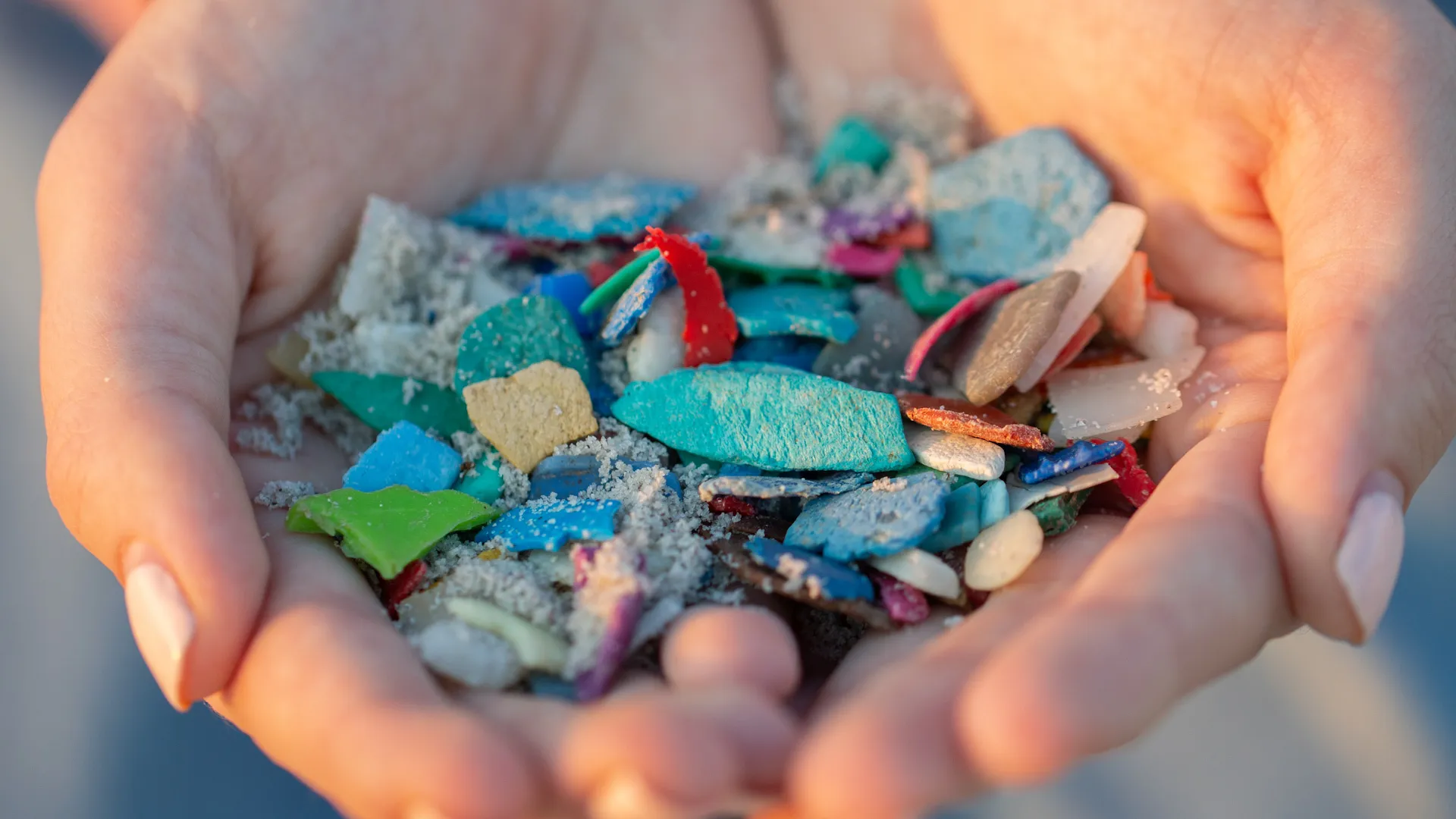
Tager-Flusberg also said maternal obesity and other chronic medical conditions during pregnancy, which are becoming more common, may heighten risk. Researchers are currently investigating whether widespread environmental exposures — including plastics and other industrial chemicals — may contribute, although the evidence for many of those factors remains far less certain.
Over the past two decades, dozens of studies have reported that children whose mothers were exposed to higher levels of air pollution during pregnancy were more likely to be diagnosed with autism. A 2023 meta-analysis estimated that higher exposure to fine particulate matter during pregnancy was associated with a roughly 30% increase in autism risk. But Buxbaum cautioned that families living in more polluted areas often differ in many other ways — including income, access to health care and other environmental exposures.
“The reality is that environmental things travel in packs,” Buxbaum said.
The challenge now, researchers say, goes beyond identifying risk factors, to understanding how they work together. Scientists are investigating whether prenatal exposures influence the likelihood of de novo mutations, alter how genes are regulated during early brain development or otherwise interact with a child’s underlying genetic susceptibility. As of now, Wigler said, there is little evidence that environmental exposures directly trigger the de novo mutations linked to autism.
They occur even in “pristine environments,” he said.
“I think what we need to start doing is not educating that it’s this or that,” Tager-Flusberg said. “It’s likely that we’re dealing with gene-environment interactions.”
She believes unraveling those interactions will define the next generation of autism research.
“I think that’s going to end up being the kinds of discoveries we’ll be making over the next five to 10 years,” she said.
Round out your reading
- What does low water at the Hoover Dam mean for power in the American West?
- Could GLP-1 drugs become the first longevity medications? Scientists think it’s possible.
- ChatGPT told him he wouldn’t face charges. Then came the arrest warrant.
- How one small city built a second act as a bio hub inside empty cigarette factories.
- If permanent Daylight Saving Time is so popular, why is it dead in the Senate?