This post was originally published on this site.
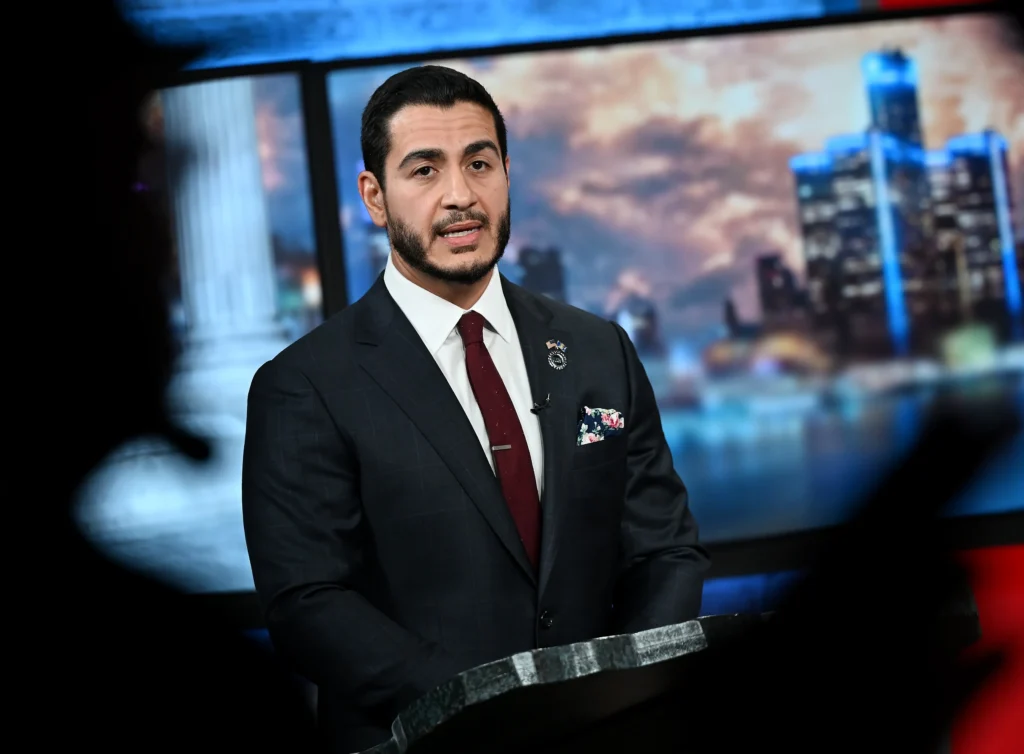
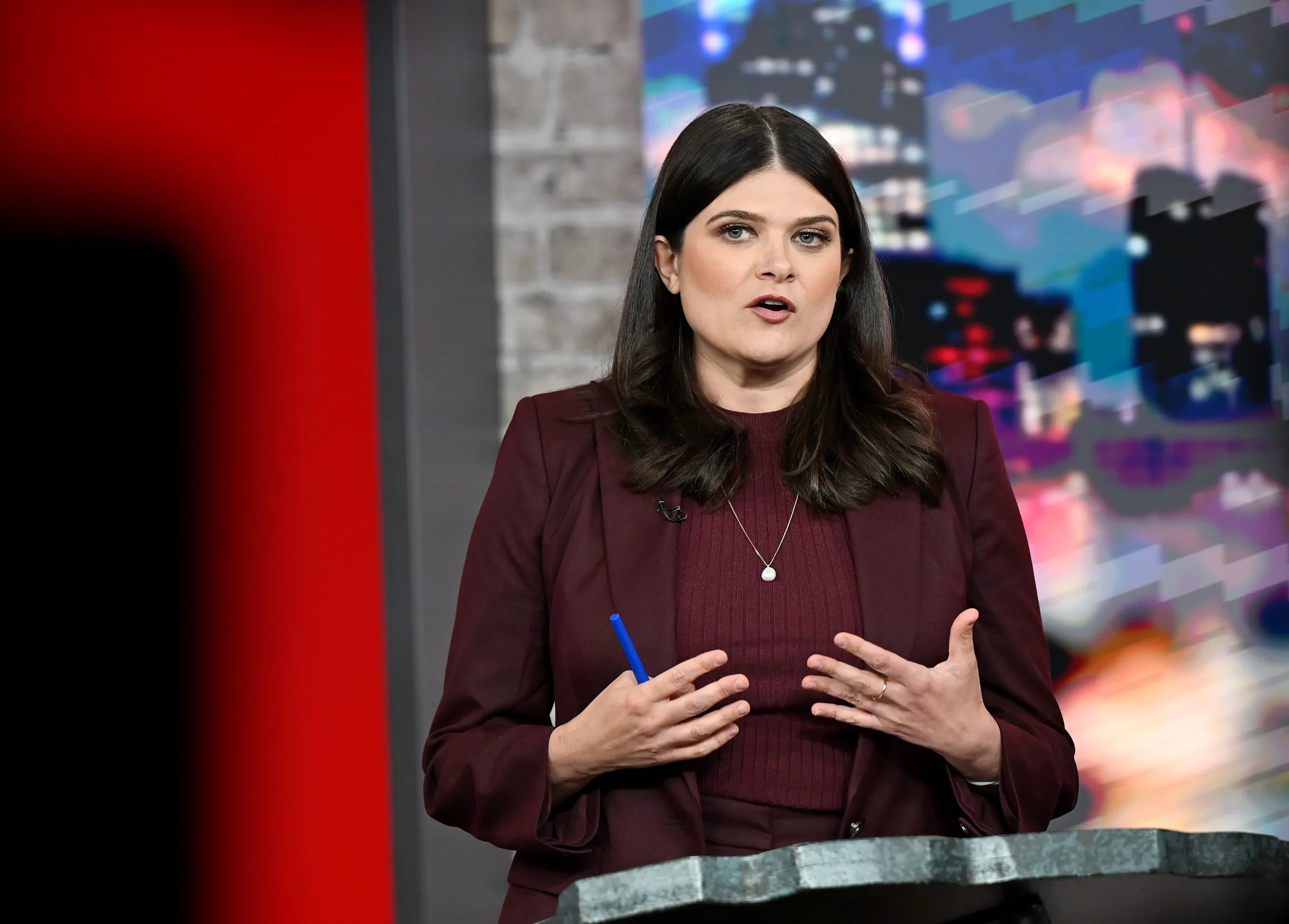
The fissure splitting the Democratic Party was on stage in Detroit Monday night as Abdul el-Sayed, a healthcare official from Detroit who is critical of U.S. support of Israel, faced off against Rep. Haley Stevens, representing a district northwest of Detroit and a self-described ally of the Middle Eastern country.
That split was sewn into much of the hour-long debate, which touched on a range of issues from affordability and education to healthcare and campaign finance.
“I actually agree with the congresswoman on one really critical thing,” el-Sayed said near the end of the debate, in response to a question about education. “We are being robbed. The money that we should have to invest in our schools is being sent to foreign governments to destroy other people’s schools …”
Unbiased. Straight Facts.TM
More than 570,000 voters already cast their ballots in the primary, state officials announced on July 21.

Earlier in the debate, Stevens was asked by Fox 2 moderator Roop Raj about whether she would be beholden to the American Israel Public Affairs Committee, or AIPAC, after it spent $46 million supporting her candidacy. Stevens said no, and described herself as a supporter of a two-state solution and proud representative of one of the largest Jewish populations in the country. She also noted that Israeli Prime Minister Benjamin Netanyahu “has attacked me by name,” describing it as proof of her moderate position on the issue.
The Aug. 4 primary is the largest contest to date where the two warring factions within the Democratic Party will be represented by well-resourced, well-organized candidates in a head-to-head match for a seat in a battleground state.
Donald Trump won Michigan by less than 2 percentage points in 2024, after Joe Biden won the state in 2020 by less than 3 percentage points.
The winner of the Democratic primary will face former Republican congressman Mike Rogers in November to replace the retiring Democratic Sen. Gary Peters.
Voters wrongly think Stevens was endorsed by Obama and auto workers
As Straight Arrow previously reported, two voters said their decision to vote for Haley Stevens is because they believed Barack Obama had endorsed her.
The former president did not endorse Stevens, but a pro-Stevens PAC paid to show a video to as many as 500,000 people on Facebook featuring Obama praising Stevens’ work as the Chief of Staff to the U.S. Auto Rescue Task Force. This federal initiative helped save the auto industry during the 2008 financial crisis.
The United Auto Workers, which has endorsed el-Sayed, said earlier this month it sent a cease-and-desist letter to that pro-Stevens PAC over its “use of the UAW’s ‘wheel’ logo in election ads promoting a candidate not endorsed by the Union.”
Last week, el-Sayed said Stevens’ campaign “probably violated” election laws by sending a news release with his campaign logo claiming the Democrat had been endorsed by the Republican they hoped to defeat in November, the Detroit News reported. Stevens’ campaign said it was a parody based on a CNN report that Rogers told supporters in a phone call he thinks he will be in “good shape” if el-Sayed wins the Democratic primary.
Foreign policy dividing the party
Michigan, whose city of Dearborn is home to one of the largest Arab-American populations in the country, is the latest state where the Democratic Party’s historic support of Israel is being tested.
“Israel comes to me in my dreams,” Stevens told supporters in April, coining a phrase that has now become widely re-enacted online. Last night she said, “I want to see long-term peace. I want to see a two-state solution.”
El-Sayed, who has called Israel a “rogue state,” repeatedly referred last night to the U.S. sending money to “a foreign government” rather than spending the money locally to boost education and infrastructure.
After the Hamas attacks on Israel on Oct. 7, 2023, a broad bipartisan majority of lawmakers supported an Israeli military response. But support within both parties has fractured as the war in Gaza continued, and the death tolls of civilians, children and journalists have climbed.
AIPAC-affiliated groups have poured millions of dollars into the race to support Stevens, the Associated Press reported, citing data from the advertising-tracking firm AdImpact.
“The difference between us,” el-Sayed said early in the debate, “is $46 million of AIPAC spending.”
Around the country
Public polling shows Democrats poised to have a strong showing against Republicans in the midterms. But that calculation was complicated after Democratic socialist candidates in New York and Colorado defeated the party establishment’s preferred candidates.
Now, as NPR noted, President Trump and Republicans are responding to voters’ anxiety about the economy with attacks labeling Democrats as communists and socialists.
In Maine, where Democrats are looking to defeat Sen. Susan Collins as she seeks a sixth term, the Maine chapter of the Democratic Socialists of America expressed some reservations about Graham Platner, but ultimately recommended him. Platner later was accused of rape, which he denied, and dropped out of the race.
In Florida and Missouri, the DSA is supporting two challengers against incumbents in safe Democratic-held seats.
Democrats need a net gain of four Senate seats to win the majority in that chamber, and Stevens has argued in recent days that she is the only Democratic Senate candidate who can defeat Rogers, the Republican, in the general election.
“Mike Rogers just the other day said in a secret phone call that he [el-Sayed] makes it easier for him to win,” Stevens said Monday night, referring to that CNN report. Stevens reminded viewers that she has been endorsed by the state’s Democratic governor and other top figures in the party, who Stevens said are “joining my campaign to win in November.”
Round out your reading
- What does low water at the Hoover Dam mean for power in the American West?
- Could GLP-1 drugs become the first longevity medications? Scientists think it’s possible.
- ChatGPT told him he wouldn’t face charges. Then came the arrest warrant.
- How one small city built a second act as a bio hub inside empty cigarette factories.
- If permanent Daylight Saving Time is so popular, why is it dead in the Senate?